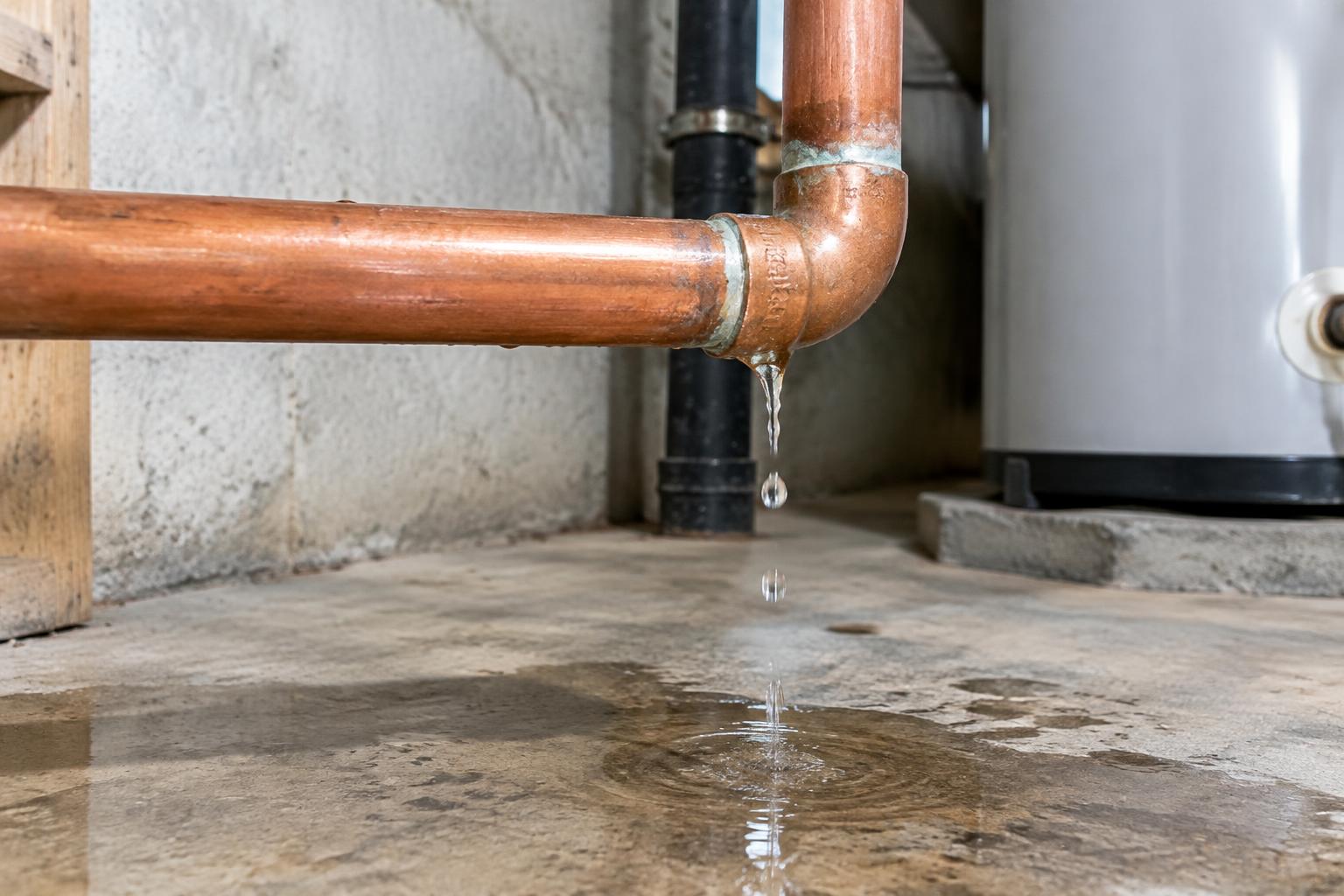
Not every plumbing leak creates a puddle in plain sight. Water leak detection can begin with a bill that changes unexpectedly, persistent dampness, or water sounds when fixtures are off. Those clues justify investigation, but none identifies a hidden pipe failure by itself.
The short answer
Look for changes in water use and visible moisture without opening walls. A meter check or sensor can reveal a possible problem; a professional survey is needed to locate and assess it.
Common clues worth documenting
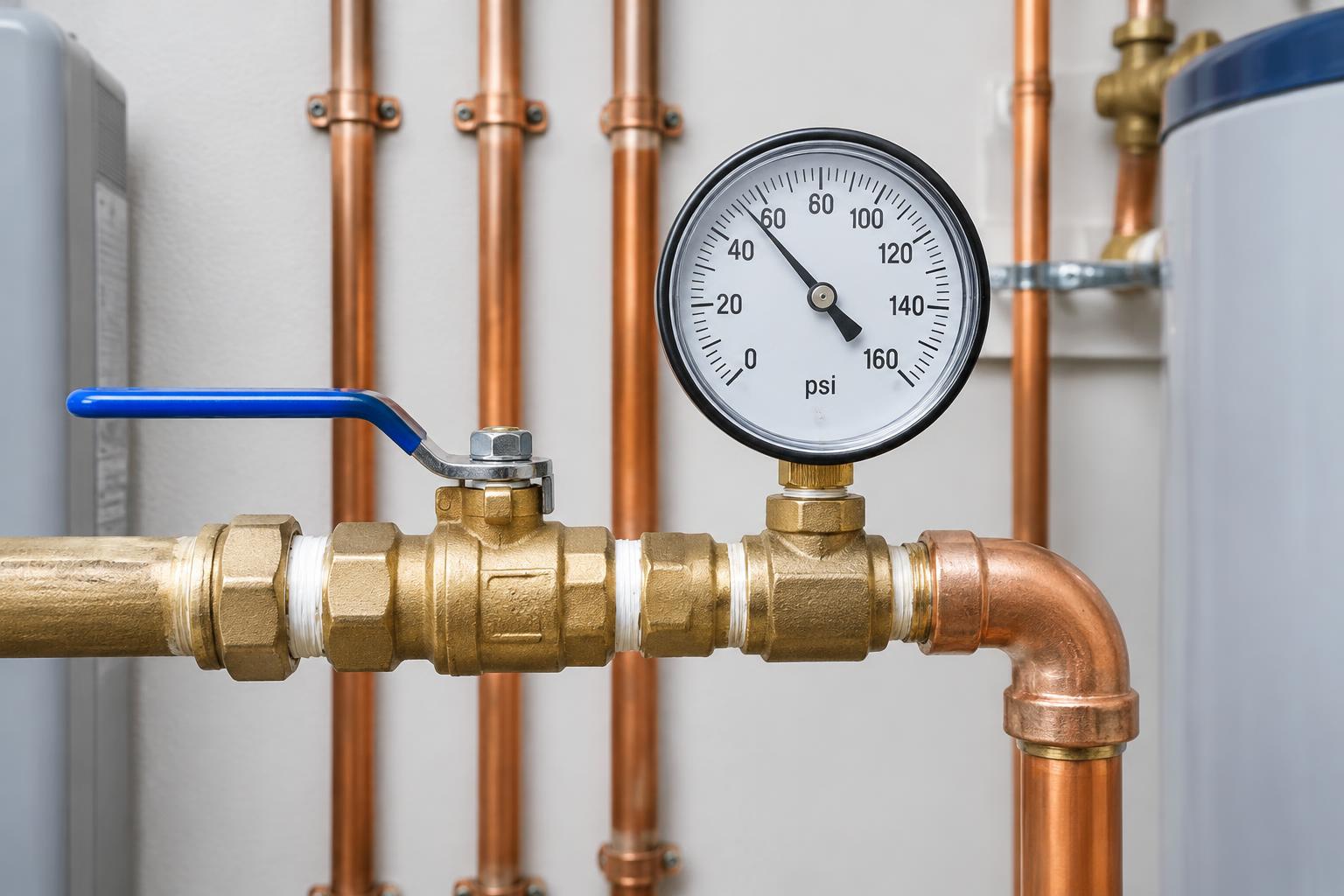
The EPA identifies worn fixtures, aging piping, corrosion, cold temperatures, and irregular water pressure among possible contributors to leaks. In a home, unexplained moisture near a cabinet, discolored material around plumbing, or a repeated running-water sound can provide useful starting points.
An unusually high bill is another clue, but compare usage as well as price. Guests, irrigation, a billing change, or a longer billing period can also affect the total. Record the change before assuming water is leaking inside a wall.
- Photograph visible moisture and note whether it returns after drying.
- Compare current water use with a similar earlier period.
- Check accessible areas around toilets, faucets, appliances, and exposed pipes.
What a water-meter check can and cannot tell you
If your property has a safely accessible individual meter, a change while all water uses are off can indicate unexpected flow. Account for equipment that may cycle automatically, including irrigation or treatment systems. Shared meters in multifamily buildings make interpretation more complicated.
Unexpected flow is not a location diagnosis. A running toilet, outdoor use, or another fixture can explain it. Do not dismantle utility equipment or enter an unsafe space to inspect a meter. Contact your utility or property manager if access or interpretation is unclear.
Moisture sensors versus flow monitoring
EPA WaterSense distinguishes moisture detection, which alerts you to dampness where a sensor is placed, from flow monitoring, which tracks water-use patterns. These tools can help identify a problem sooner, but they do not guarantee every leak will be detected.
Placement, compatible plumbing, notification settings, and maintenance affect usefulness. If considering a device, ask what it measures, what happens during a power or internet outage, and whether any automatic shutoff function suits the property. Follow the device manufacturer’s testing instructions.
When to request professional leak detection and repair
Persistent unexplained moisture, suspected concealed leakage, or rising use without a clear explanation warrants a plumbing survey. Avoid opening walls simply to chase a sound. MAD advertises leak detection, pipe repair, and repiping, with the recommendation based on the findings rather than the assumption that every leak requires extensive replacement.
If there is active flooding, use an accessible shutoff only if you can do so safely. Stay away from water near electrical equipment and seek immediate appropriate help where safety is at risk. For a scheduled MAD diagnostic, include the symptoms, affected area, and any meter observations in your booking details.
Sources & further reading
General information, not a diagnosis for your property. Follow equipment instructions and current local requirements. Images are illustrative.