A sump pump is easy to forget when the basement is dry. Waiting until water rises leaves little room to understand a failure. Homeowners in the Merrimack Valley can use routine observations and manufacturer-directed checks to spot concerns before wet weather puts the equipment under pressure.
The short answer
A pump, float, discharge route, and power supply work as a system. Plan checks while the area is dry; never enter standing water to troubleshoot electrical equipment.
Understand the whole sump pump system
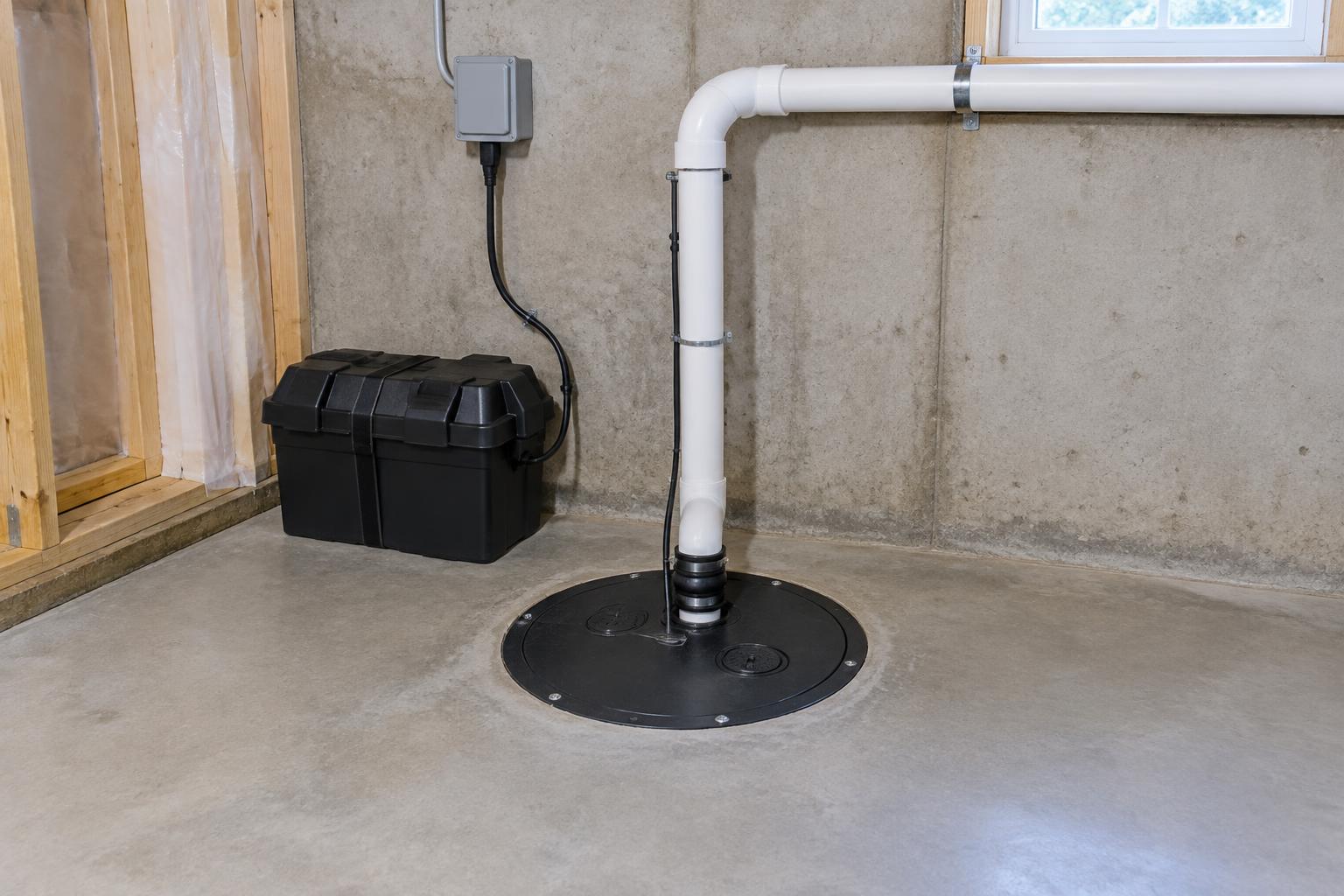
A typical sump installation collects water in a basin and pumps it through discharge piping. The pump needs a clear operating path and appropriate controls, not just a motor that makes noise. A blocked outlet or float that cannot move can prevent the system from performing as intended.
A sump pump does not resolve every basement moisture problem. Water may also involve foundation drainage, surface runoff, or a plumbing leak. Describe where water appears and whether it is related to rain, fixture use, or a continuously wet area before assuming a new pump is the answer.
Changes worth reporting before the next storm
Unusual noise, a pump that does not start when expected, or repeated cycling without an obvious reason deserves attention. Keep track of whether the behavior has changed compared with similar conditions. Noise alone cannot tell you whether the pump, control, or discharge route is at fault.
Observe accessible discharge piping for visible damage or leakage without taking it apart. Outdoor conditions can affect discharge, so ask how the installation handles cold weather and where the water is allowed to go. Discharge routing should comply with applicable local requirements.
- Note abnormal sounds or cycling patterns.
- Record any basin water level that remains unusually high.
- Report visible leaks and changes in the discharge route.
Keep maintenance checks safe and model-specific
Use the manufacturer’s test and maintenance instructions for your specific equipment. Keep the area dry and avoid reaching into the basin around powered equipment. Do not open electrical parts, bypass controls, or improvise an extension-cord arrangement.
If there is standing water near outlets, cords, or powered equipment, stay out of it and obtain appropriate immediate help. A scheduled plumbing appointment cannot replace a safety response. Only test an installed system when the conditions and instructions make it safe to do so.
Discuss backup planning and the cause of water entry
A backup arrangement may be worth discussing where a power outage or pump failure would create a serious problem. It is not a guarantee against flooding. Ask what failure it addresses, how it is maintained, and whether it can meet the property’s needs.
MAD advertises sump pump services and residential plumbing diagnostics. Include the equipment model if known and describe the symptoms when booking. The useful outcome is a recommendation about the pump and connected plumbing, with any wider drainage concerns identified for appropriate follow-up.
Sources & further reading
- Zoeller Pump Company: Preventative maintenance considerations
- Zoeller: Model-specific installation and safety instructions
General information, not a diagnosis for your property. Follow equipment instructions and current local requirements. Images are illustrative.