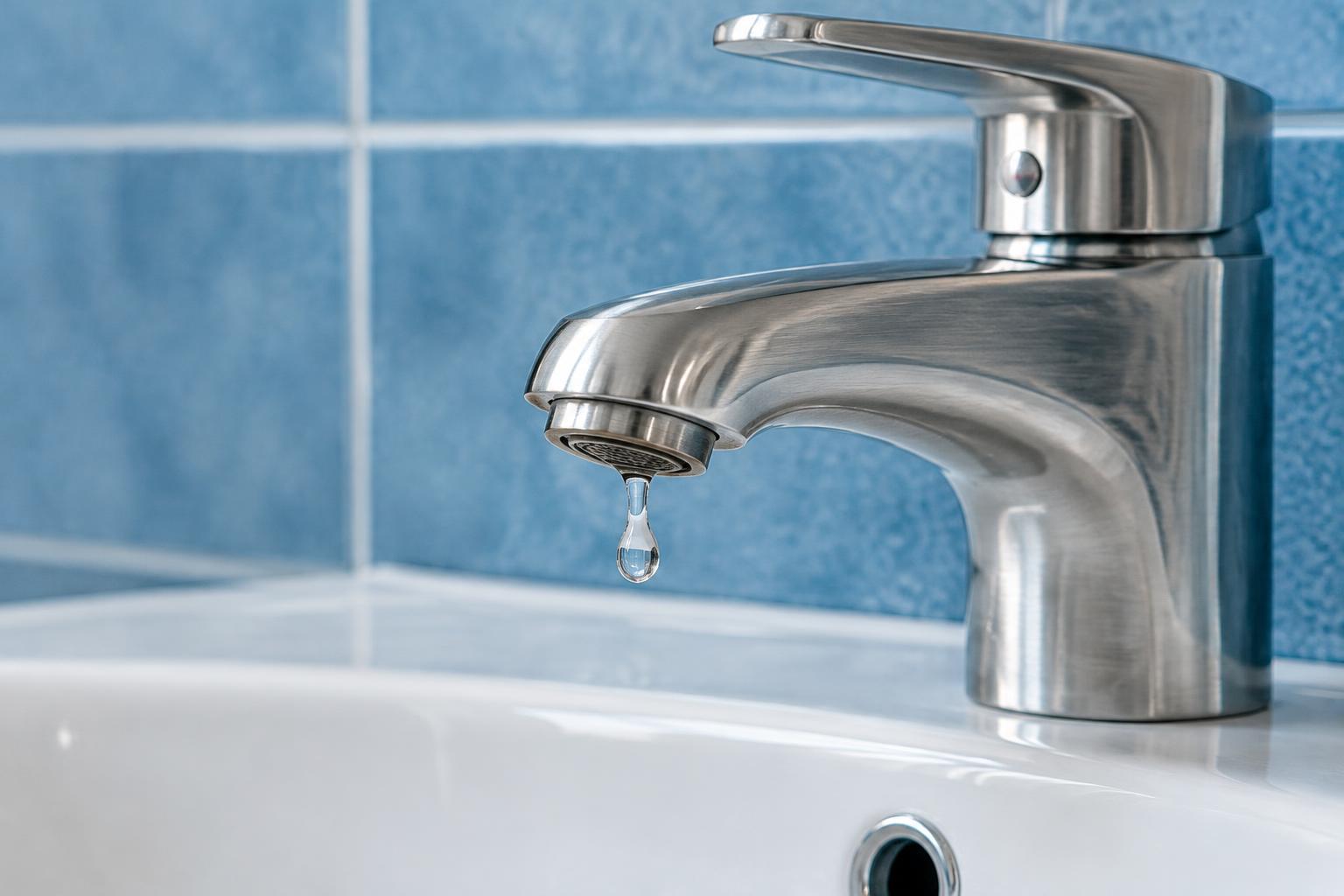
A drip from the spout and a puddle under the sink may look like the same small inconvenience, but they can involve different parts of the plumbing. Faucet repair starts with locating where water appears and when it happens—not buying a generic repair kit and hoping it fits.
The short answer
Identify the leak location and faucet model if possible. Keep the area dry enough to observe the pattern, and have active under-sink leaks assessed before they damage the cabinet.
Where is the water coming from?
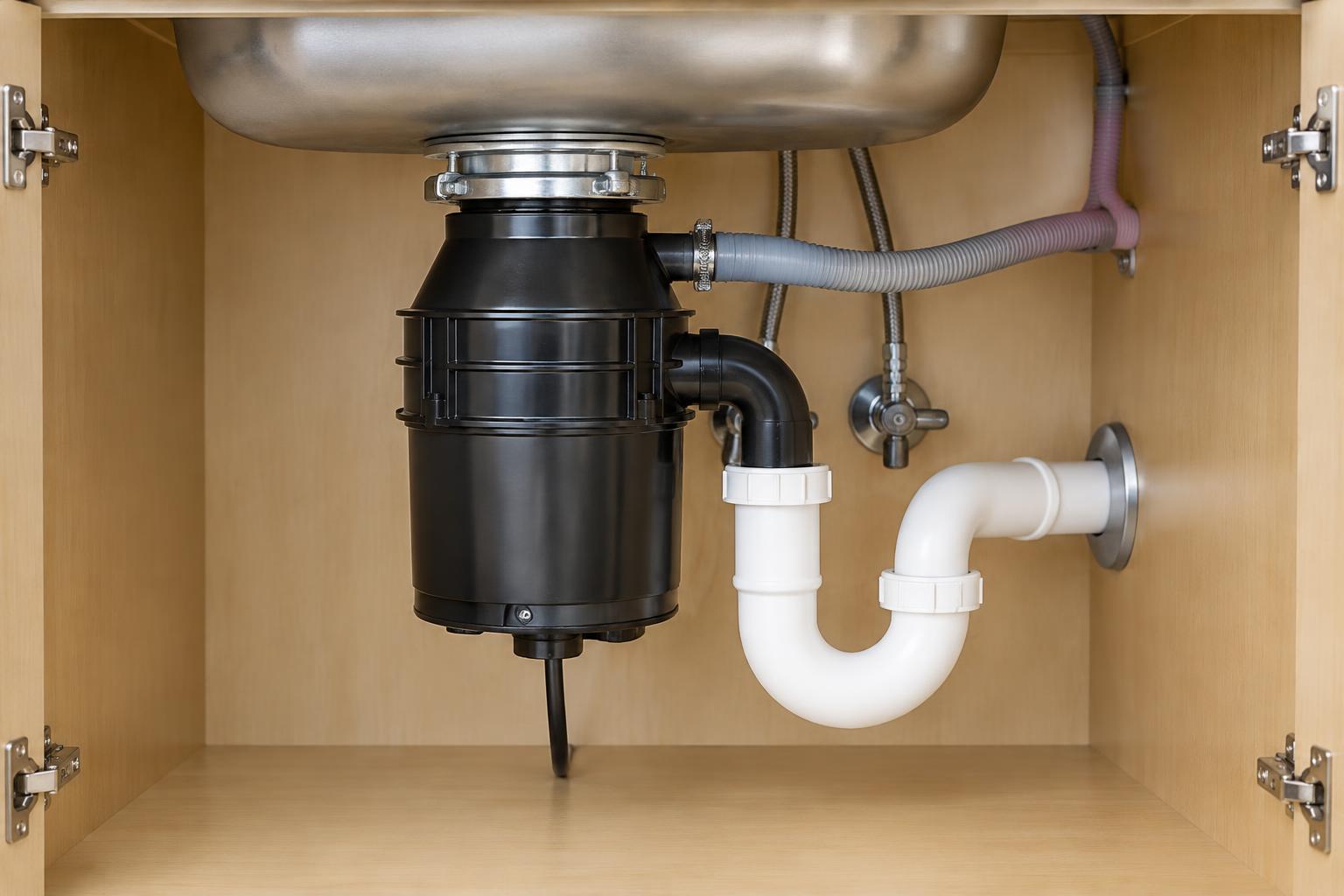
A spout that drips while the faucet is off can indicate a problem with its internal sealing components. Water near a handle or faucet body suggests a different path. Under the sink, the source could involve supply connections, a hose, the drain, or water traveling down from above.
Dry accessible surfaces and observe without reaching into an unsafe cabinet or disturbing connections. Note whether moisture appears when the tap runs, when the sink drains, or even while both are unused. These observations help distinguish faucet trouble from a drain or supply leak.
Weak faucet flow is not always a leak
EPA WaterSense recommends maintaining faucets and other fixtures according to their instructions. A restricted aerator can affect flow at a single faucet. Compare hot and cold water and another nearby fixture before treating the problem as whole-house low pressure.
If the aerator is designed for homeowner removal, follow the manufacturer’s instructions. Some use a special key or a concealed design. Avoid forcing an unfamiliar part or damaging the finish with tools. A persistent flow problem deserves a wider survey.
Why the model matters for faucet repair
Faucets use different cartridges, seals, and assemblies. Similar-looking fixtures do not necessarily share parts. Find a brand mark, model information, original paperwork, or a clear photograph before requesting components. Manufacturer guidance is more useful than matching by appearance alone.
Do not start disassembly unless the water can be shut off safely and you understand the instructions. A corroded or stuck fixture valve can turn a small repair into an uncontrolled leak. Professional assessment is the better option if the isolation valve or connection condition is uncertain.
- Identify the location of the drip or moisture.
- Record whether the leak depends on hot water, cold water, or drainage.
- Photograph the fixture and safely accessible connections.
When repair makes more sense than replacement
A serviceable fixture with available parts may be repairable. Condition, parts availability, damaged connections, and repeated problems can support a replacement discussion. Ask what each option includes, including work on supply connections or fixture valves if needed.
MAD advertises kitchen and bathroom plumbing plus fixture installation and repair. A diagnostic lets you understand the source before approving work. If a cabinet stays wet or the leak is active, do not wait for visible damage to become extensive; arrange an assessment and safely isolate water where possible.
Sources & further reading
General information, not a diagnosis for your property. Follow equipment instructions and current local requirements. Images are illustrative.