A garbage disposal that hums, leaks, or leaves water standing in the sink can interrupt the whole kitchen routine. Garbage disposal repair is not always the same as clearing the drain. The symptom can involve the unit, its connections, or the plumbing downstream.
The short answer
Stop running a disposal that is humming without operating normally. Never put a hand inside it, and treat persistent leaks or sink backups as a plumbing issue that needs assessment.
A humming disposal is a reason to stop
Do not repeatedly switch a disposal on when it hums but does not operate normally. Continued attempts can worsen a problem. Turn it off and consult the exact manufacturer’s manual rather than using an online procedure for a different model.
Never put your hand into the grinding chamber. Any maintenance must follow the manual’s power-isolation instructions; the wall switch alone is not a maintenance safety plan. If you are unsure how to isolate power or use the model-specific procedure, leave the work to a qualified professional.
Find the leak pattern without disturbing connections
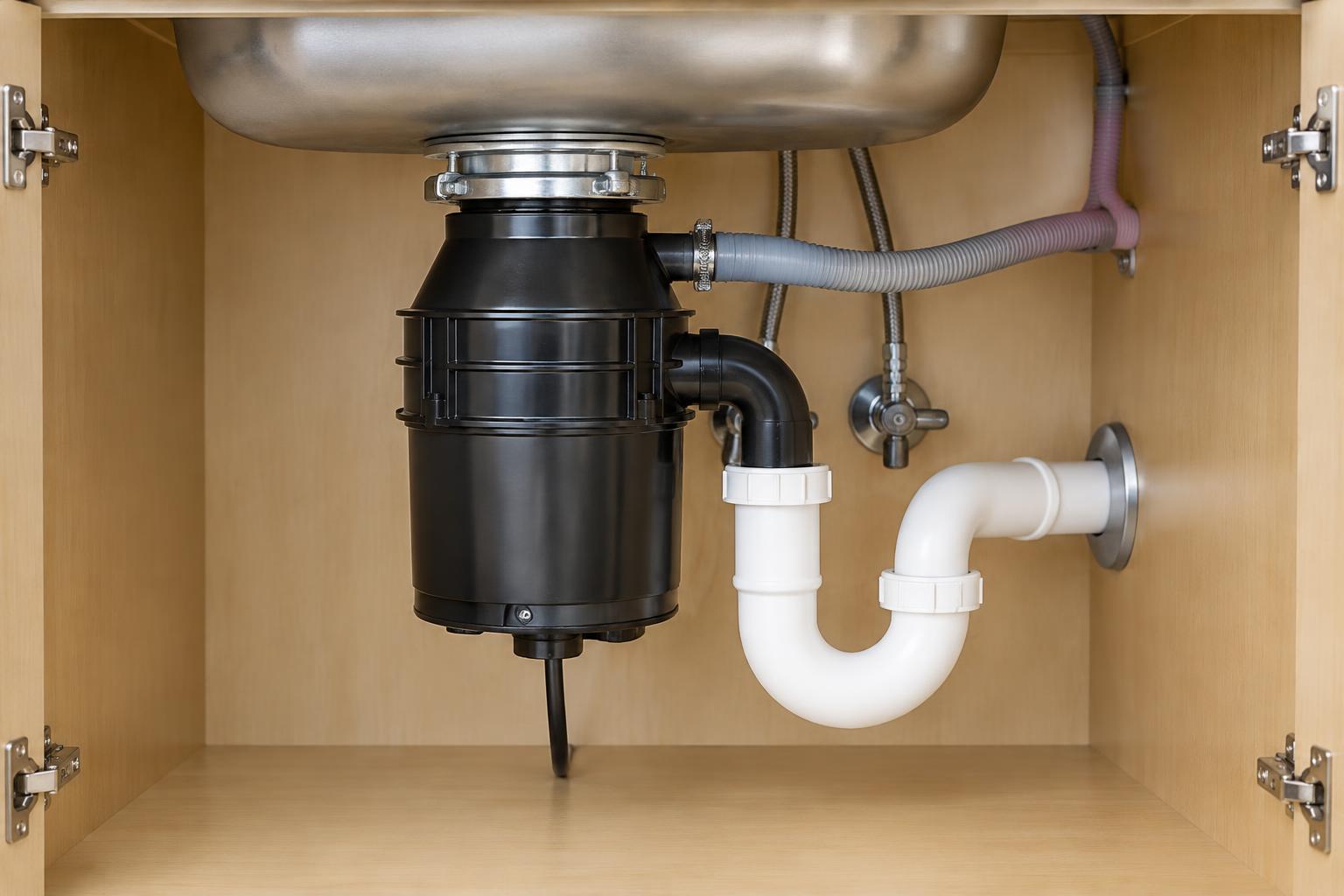
Water under a sink may come from the disposal mounting area, a connected hose, a drain connection, or another part of the sink plumbing. Dry safely accessible surfaces and note where moisture first appears. Do not conclude the disposal itself needs replacement from a puddle alone.
Stop using the fixture if leaking continues. Keep clear of wet electrical connections or a wet outlet and obtain appropriate help. A photograph taken from a safe, dry position can help explain the location without reaching into a crowded cabinet.
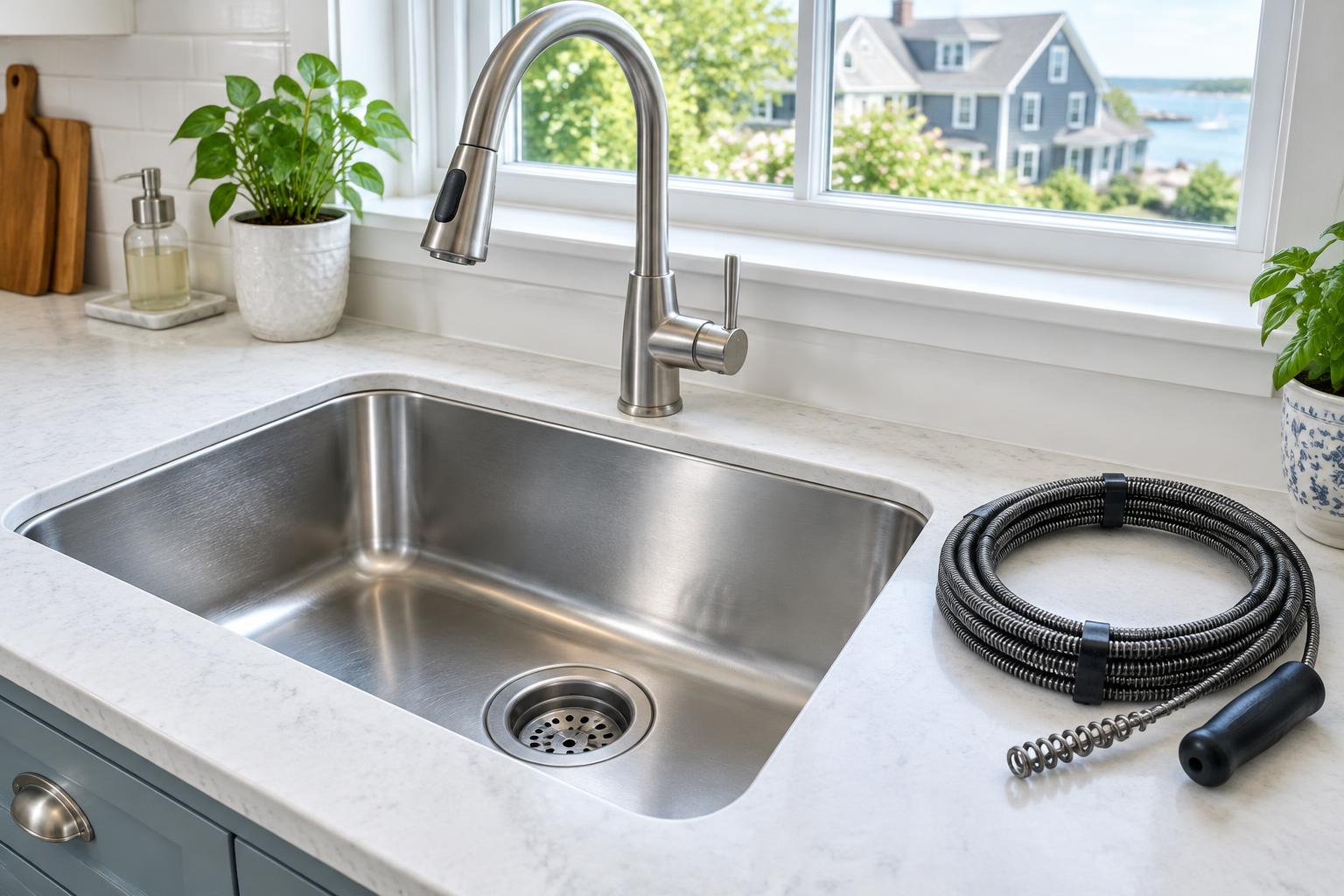
When the sink does not drain
A disposal that operates does not prove the connected drain is clear. Food debris or buildup farther along the line can still slow drainage. If both sink bowls are affected or water rises in the other bowl, describe that pattern during the diagnostic.
Do not pour chemical drain cleaner into the disposal or combine products in standing water. Tell the plumber if a cleaner has already been used. Leave persistent blockages and repeated backups for a drain assessment rather than assuming a disposal reset will solve them.
- Describe whether the unit hums, runs, or makes no sound.
- Note whether the leak occurs during use or between uses.
- Explain which sink bowls or nearby fixtures are draining poorly.
Prevention and a practical repair decision
Follow the manufacturer’s food and operating guidance. Scrape dishes into the trash and collect grease separately instead of treating the disposal as a way to send every kitchen waste item into the plumbing. It is not a substitute for keeping the drain clear.
MAD advertises garbage disposal service, fixture work, and kitchen plumbing. A survey can separate a disposal fault from a drain or connection issue. If replacement is recommended, ask whether the proposal includes correcting any contributing plumbing problem rather than simply installing another unit.
Sources & further reading
- InSinkErator: Jammed disposal guidance and safety
- Dyno: Preventing grease and debris buildup in drains
General information, not a diagnosis for your property. Follow equipment instructions and current local requirements. Images are illustrative.